

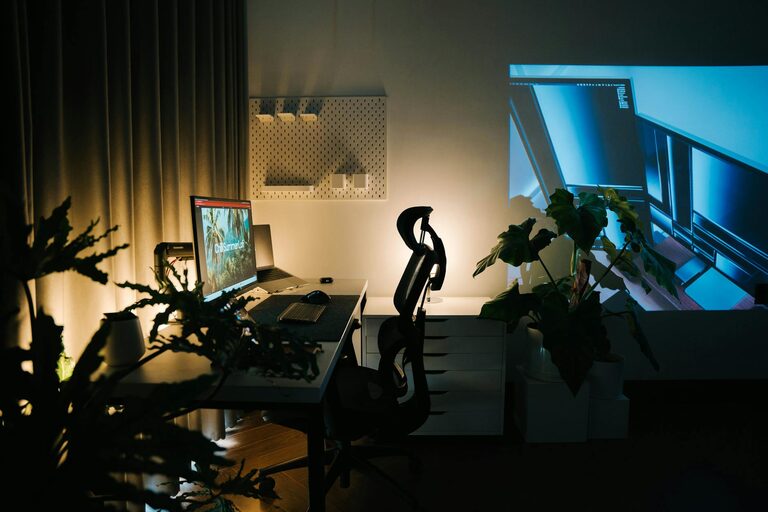
Creating a cozy and functional home workspace is essential for anyone who spends time working or studying from home. A well-designed area can improve focus, reduce stress, and make your work hours more enjoyable. Whether you have a dedicated room or just a small corner, these tips will help you design a space that balances comfort and productivity.
Choose the Right Location
Find a Quiet Spot
Selecting the right spot for your workspace is crucial. Pick a location with minimal distractions to help maintain concentration. If possible, choose a room or corner away from high-traffic areas like the kitchen or living room.
Consider Natural Light
Natural light not only brightens up your space but also helps improve mood and energy levels. Position your desk near a window if you can, but avoid direct glare on your computer screen. If natural light is limited, invest in good quality lighting to reduce eye strain.
Invest in Comfortable Furniture
Ergonomic Chair
A supportive chair is key to maintaining good posture and avoiding discomfort during long hours. Look for an ergonomic chair with adjustable height, lumbar support, and cushioned seating.
Functional Desk
Choose a desk that fits your needs and available space. Whether it’s a compact writing desk, a standing desk, or a larger workstation, make sure it has enough surface area for your computer, notebooks, and other essentials.
Organize Efficiently
Declutter Regularly
Keeping your workspace tidy helps reduce distractions and promotes a clear mind. Regularly declutter your desk by removing unnecessary items and organizing cables to maintain a neat environment.
Use Storage Solutions
Incorporate shelves, drawers, or organizers to store office supplies, files, and personal items. Using bins or boxes can also help keep smaller items in check and your workspace looking orderly.
Personalize Your Space
Add Cozy Elements
Incorporate soft textiles like a comfy rug, cushions, or a throw blanket to create a warm atmosphere. These touches make your workspace inviting and help you feel more relaxed.
Decorate Thoughtfully
Add plants, artwork, or personal photos to make your workspace inspiring without overwhelming it. Plants, in particular, can improve air quality and bring a touch of nature indoors.
Focus on Lighting
Layer Your Lighting
Combine ambient, task, and accent lighting to create a well-lit workspace. A desk lamp with adjustable brightness is particularly useful for focused tasks.
Avoid Harsh Lighting
Avoid overly bright overhead lights or fluorescent bulbs that can cause glare or headaches. Choose warm-toned bulbs for a softer, more comfortable feel.
Prioritize Technology and Connectivity
Reliable Equipment
Ensure your computer, printer, and internet connection are reliable and meet your daily needs. Investing in good quality tech can prevent frustration and improve work efficiency.
Cable Management
Use cable clips, sleeves, or trays to keep cords organized and out of the way. This reduces clutter and helps create a safer, more aesthetically pleasing workspace.
Create Boundaries
Define Your Workspace
If your workspace is part of a shared room, use room dividers, curtains, or a desk with side panels to create a dedicated area. This physical separation can help your brain recognize when it’s time to focus.
Set Work Hours
Establishing clear start and end times helps maintain work-life balance. When your workday ends, step away from your workspace to recharge.
Maintain Comfort and Well-being
Take Breaks
Remember to take regular short breaks to rest your eyes, stretch, and move around. This can reduce fatigue and improve concentration throughout the day.
Keep Hydrated and Snack Smartly
Keep a water bottle nearby and choose healthy snacks to stay energized without feeling sluggish.
—
By carefully considering these tips and customizing them to your lifestyle, you can create a home workspace that feels welcoming and supports your productivity. Remember, the best workspace is one that works well for you, so take your time to design it thoughtfully.