

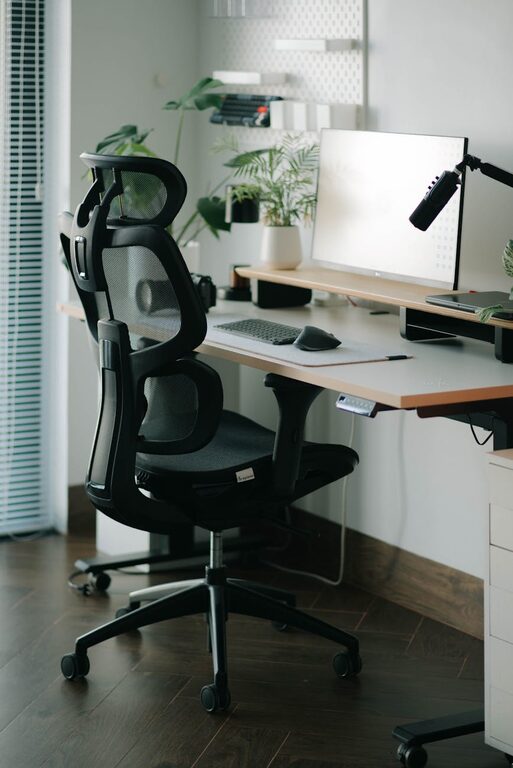
Creating a cozy and productive home office space is essential for anyone who works remotely or spends significant time at home managing tasks. Whether you have a dedicated room or just a small corner, setting up a space that fosters focus while feeling inviting can make a big difference in your daily work experience. Here’s a guide with practical tips to help you create a home office that balances comfort and efficiency.
Choose the Right Location
Selecting the ideal spot for your home office is the first step.
– Natural Light: Opt for a space near a window if possible. Natural light improves mood and reduces eye strain.
– Quiet Area: Pick a location away from household noise and distractions to help maintain focus.
– Space Considerations: Evaluate how much room you need for your desk, chair, equipment, and storage.
If space is limited, consider multi-functional areas, such as a corner in the living room or bedroom, using furniture that can adapt to different uses.
Invest in Ergonomic Furniture
Comfort directly impacts productivity and well-being.
– Desk: Choose a desk at the right height to keep your arms at a 90-degree angle while typing. Adjustable desks offer flexibility between sitting and standing.
– Chair: Select an ergonomic chair with lumbar support. It should be adjustable to fit your posture and allow feet to rest flat on the floor.
– Accessories: Use footrests, wrist supports, or monitor stands to enhance comfort further.
Ergonomic furniture helps prevent common problems like back pain and repetitive strain injuries, keeping you comfortable during long work hours.
Organize and Declutter Your Space
A tidy workspace promotes focus and reduces stress.
– Storage Solutions: Use shelves, filing cabinets, or desk organizers to keep papers and supplies in order.
– Minimalism: Keep your desk clear of unnecessary items—just the essentials you need day-to-day.
– Cable Management: Use clips or cable trays to keep cords neat and out of the way.
Regularly purging unused items or digital clutter, like old files and emails, also contributes to a streamlined environment.
Add Personal and Cozy Touches
Making your home office feel inviting encourages you to spend time there happily.
– Decor: Include elements like artwork, plants, or favorite photos to create a pleasant atmosphere.
– Soft Textiles: Introduce a cozy rug, cushions, or a throw blanket to add warmth and texture.
– Lighting: Besides natural light, add task lighting like adjustable desk lamps with warm bulbs to reduce eye fatigue and set a relaxing mood.
Balancing functionality with personal touches helps your office feel like a space you enjoy being in.
Optimize Technology and Tools
Efficient technology can streamline your work and reduce frustration.
– Reliable Internet: Ensure you have a strong Wi-Fi connection for video calls and online tasks.
– Quality Equipment: Invest in a good keyboard, mouse, and monitor to improve your work experience.
– Software: Use productivity and communication tools that suit your workflow.
Keeping your tech organized with docking stations or neatly placed devices can also keep your space cleaner and more functional.
Set Boundaries to Separate Work and Home Life
Creating clear distinctions between work and relaxation is important.
– Work Hours: Define specific times when your home office is “open” and when it’s okay to disconnect.
– Visual Cues: A closed door or a particular setup can signal the start and end of work time.
– Break Areas: Designate another spot for breaks or meals to avoid blurring boundaries.
These strategies help maintain balance and prevent burnout when working from home.
Maintain Good Air Quality and Temperature
Comfort includes not only how your office looks but also how it feels physically.
– Ventilation: Open windows regularly or use an air purifier to keep fresh air circulating.
– Temperature Control: Use fans, heaters, or humidifiers as needed to create a comfortable environment.
– Plants: Adding greenery can improve air quality and bring a calming natural element.
A fresh and comfortable room boosts energy and concentration.
Keep Your Workspace Flexible
Finally, allow room for change and adaptation.
– Adjustable Furniture: Items that can be moved or altered will support different tasks or new working styles.
– Mobile Equipment: Use rolling carts or laptops to switch locations easily when needed.
– Regular Updates: Periodically refresh your setup to keep it inspiring and aligned with your needs.
Flexibility ensures your home office remains a space you want to use every day.
—
Creating a cozy and productive home office doesn’t require a big budget or much space. With thoughtful choices focused on comfort, organization, and personal touches, you can design an environment that supports your work and well-being. Start small, adapt as you go, and enjoy the benefits of your ideal workspace right at home.