

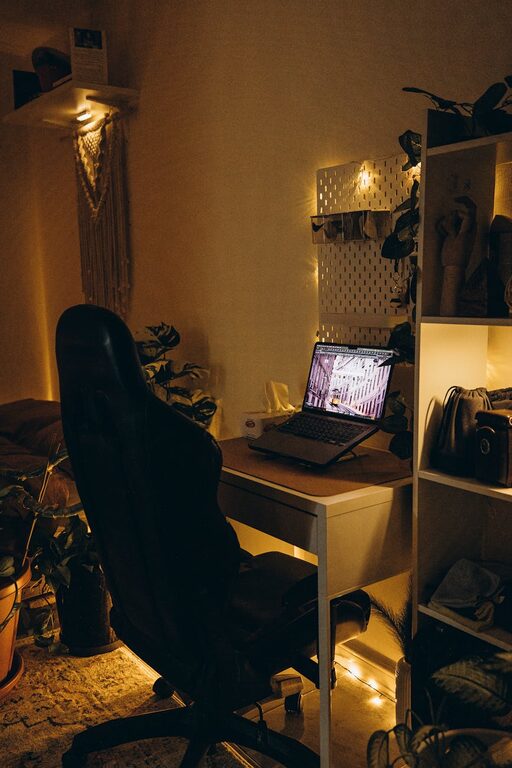
Creating a relaxing home workspace is essential for maintaining focus and reducing stress, especially when working remotely or managing tasks at home. A thoughtfully designed area can improve your productivity while making your workday more enjoyable. Here are some practical tips to help you build a calming and efficient home office.
Choose the Right Location
Find a Quiet Spot
Selecting a quiet corner or room for your workspace helps minimize distractions. Ideally, choose a space away from high-traffic areas, noise, and interruptions.
Consider Natural Light
Natural light is a mood booster and reduces eye strain. Set your desk near a window to take advantage of sunlight. If natural light isn’t an option, invest in soft, warm lighting that mimics daylight.
Invest in Comfortable Furniture
Select an Ergonomic Chair
A good chair supports your posture and prevents back pain. Look for chairs with adjustable height, lumbar support, and comfortable cushioning.
Use a Suitable Desk
Your desk should be at a height that allows your arms to rest comfortably while typing or writing. If possible, consider a desk large enough to hold your essentials without cluttering the surface.
Organize Efficiently
Declutter Regularly
A tidy workspace promotes clear thinking. Remove unnecessary items and keep only what you need daily within reach.
Use Storage Solutions
Incorporate shelves, drawers, or filing cabinets to organize papers, supplies, and electronics. Labeling storage containers can make finding things easy and quick.
Personalize Your Space
Add Plants
Indoor plants purify the air and bring a touch of nature indoors, which can reduce stress and enhance creativity.
Decorate Mindfully
Use calming colors and add artwork or photos that inspire you without overwhelming the space. Avoid too many bright or harsh colors.
Control Noise and Distractions
Use Noise-Canceling Headphones
If background sounds are a challenge, noise-canceling headphones can help you focus on work.
Set Boundaries
Inform family members or housemates of your work hours to minimize interruptions. Consider a “do not disturb” sign during important tasks or calls.
Maintain Good Air Quality and Temperature
Ventilation
Keep windows open when possible or use air purifiers to ensure fresh air circulation.
Temperature Control
A comfortable temperature can help you stay focused. Use fans, heaters, or air conditioning as needed to maintain a pleasant environment.
Incorporate Wellness Elements
Take Breaks
Schedule short breaks to stretch, hydrate, or take a quick walk. Moving around helps reduce fatigue and refreshes your mind.
Practice Mindfulness
Include calming techniques such as deep breathing, quick meditations, or listening to soft music to stay centered during work.
Optimize Technology Setup
Manage Cables
Use cable organizers to keep cords tidy and prevent tripping hazards.
Use Quality Equipment
Invest in a good monitor, keyboard, and mouse to improve your comfort and efficiency.
—
By combining these tips, you can create a home workspace that not only supports your daily tasks but also promotes well-being and relaxation. A peaceful work environment is key to working smarter and enjoying your time spent at home.