

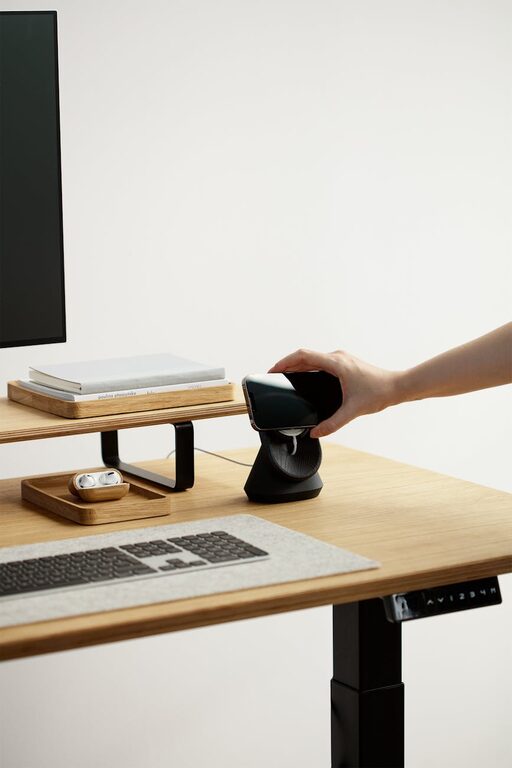
Creating a relaxing home workspace is essential for boosting productivity and maintaining a healthy work-life balance. When your environment feels calm and inviting, it’s easier to focus, manage tasks efficiently, and avoid burnout. This guide will walk you through simple yet effective tips to design a workspace that supports your well-being and efficiency.
Why a Relaxing Workspace Matters
Your home workspace influences your mood and how well you can concentrate. A cluttered, noisy, or uncomfortable space can increase stress levels and distract you from your work. On the other hand, a thoughtfully arranged and soothing workspace encourages focus, creativity, and motivation.
Choose the Right Location
Find a Quiet Spot
Select a part of your home that is relatively quiet and free from frequent interruptions. If possible, avoid areas with heavy foot traffic or where household chores happen regularly.
Consider Natural Light
Position your desk near a window to take advantage of natural daylight. Natural light helps regulate your body’s internal clock and can improve your mood and energy levels.
Assess Space and Comfort
Make sure you have enough room to comfortably place your computer, documents, and any other materials you use regularly. Adequate space prevents clutter and allows you to move freely.
Invest in Ergonomic Furniture
Choose a Comfortable Chair
A supportive chair with adjustable height and lumbar support helps reduce back and neck strain, allowing you to work longer without discomfort.
Select the Right Desk Height
Your desk should allow your arms to rest comfortably at a 90-degree angle while typing. If needed, consider a sit-stand desk for flexibility in posture.
Keep It Organized and Clutter-Free
Use Storage Solutions
Incorporate shelves, drawers, or boxes to store office supplies and paperwork. Keeping essentials organized prevents distractions and saves time searching for items.
Declutter Regularly
At the end of each day, spend a few minutes tidying your workspace. Clear away any unnecessary items to maintain a neat and inviting area.
Personalize Your Space with Calm Elements
Add Plants
Indoor plants improve air quality and bring a touch of nature indoors. They can reduce stress and increase feelings of well-being.
Use Calming Colors
Soft colors like light blue, green, or beige promote relaxation and focus. Consider incorporating these shades through wall décor, accessories, or furnishings.
Incorporate Soft Lighting
Use lamps or adjustable LED lights to create a warm, inviting glow. Avoid harsh overhead lighting, which can cause eye strain and discomfort.
Manage Noise and Distractions
Use Noise-Canceling Headphones
If your home can be noisy, invest in noise-canceling headphones. They help block out background sounds and keep you focused.
Play Background Music or Ambient Sounds
Some people find gentle music or ambient sounds (like nature noises or white noise) helpful for concentration. Experiment to find what works best for you.
Establish Boundaries and Rituals
Define Work Hours
Stick to specific work hours to create boundaries between work time and personal time. Inform family members or housemates of your schedule to minimize interruptions.
Create a Start-of-Day Routine
Begin your workday with a simple routine, such as stretching, making a cup of tea, or reviewing a to-do list. This signals your brain to switch into work mode.
Take Breaks and Move
Schedule short breaks throughout the day to rest your eyes and stretch your body. This maintains energy levels and helps prevent fatigue.
Optimize Technology Setup
Organize Cables and Devices
Use cable organizers or clips to keep cords tidy and out of the way. This reduces visual clutter and lowers the chance of accidental unplugging.
Improve Screen Position
Place your monitor at eye level and about an arm’s length away. Proper screen positioning reduces neck strain and improves posture.
Keep Air Quality Fresh
Open Windows Regularly
Fresh air improves concentration and reduces feeling stuffy. Try to open windows daily or use an air purifier if ventilation is limited.
Control Temperature
Maintain a comfortable room temperature to prevent feeling too hot or cold, which can distract from work.
—
By following these tips, you can transform your home workspace into a relaxing haven that supports productivity and well-being. A well-designed, calm work environment helps you stay motivated, focused, and ready to tackle your tasks efficiently. Remember, small adjustments can make a big difference in how you feel and perform throughout your workday.